
By Elaine Howard Ecklund
Over the past several weeks, our nation has seen a troubling cycle of rhetoric and violence. Aggressive deportation and ICE encounters point to the fact that the tension is no longer political--it is deeply personal.
While debates often treat immigration as a purely legal or economic issue, research makes clear that religion matters, and understanding the immigrant experience means that one must understand their pews, their temples, and their mosques.
Current research at the Boniuk Institute examining interfaith cooperation in Houston reveals a striking consensus: religious leaders across the spectrum identify the care of immigrants as a defining moral issue of our time. By looking at the data, we can dispel the mistruths currently driving our public policy.
The Changing Face of American Christianity
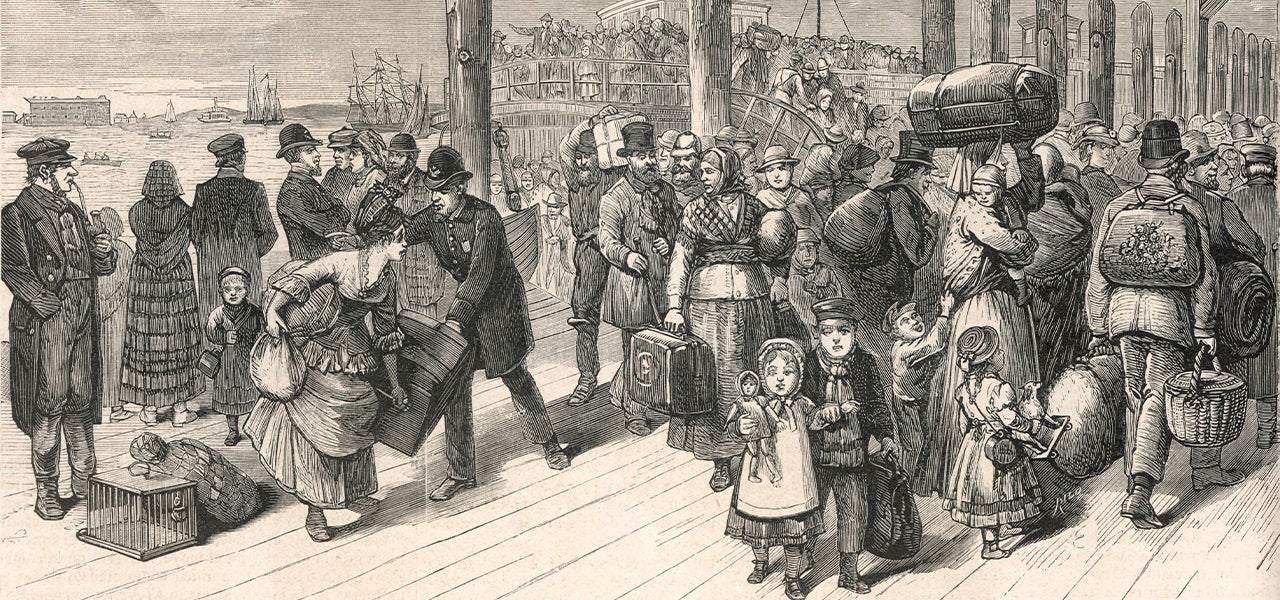
The historical "melting pot" of the 19th century relied heavily on religious participation to fold European immigrants into American civic life. Back then, "religion" was almost exclusively synonymous with white Protestantism. Today, the landscape has shifted, but the importance of faith remains a constant.
According to data analyzed by Pew (2022), "new immigrants" are not secularizing America; they are diversifying its spiritual core:
- A Christian Majority: Approximately 55% of new immigrants are Christian
- The Catholic Surge: Nearly forty percent of US Catholics are immigrants (29%) or children of immigrants (14%).
- Pluralistic Growth: Immigrants are five times more likely than native-born citizens to belong to a non-Judeo-Christian tradition (32% vs 6%), bringing vibrant new layers to Muslim, Hindu, and Buddhist life in the US.
More Than a Place of Worship
For a newcomer, a religious organization is rarely just a place to pray. It acts as a multi-functional anchor in a turbulent sea. Religious institutions serve three vital roles:
- Cultural Preservation: Ethnicity and religion are inextricably intertwined. In a new country, religious identity often becomes more significant, helping families maintain their heritage.
- Social Safety Nets: Immigrant churches fill a desperate need for community, providing face-to-face rituals that combat the isolation of migration.
- Leveling the Playing Field: These spaces offer socioeconomic and educational equality. In a church or mosque, an immigrant who may have experienced downward mobility in the job market can find status, prestige, and a vital network for social services.
A Call to Flourishing
This motivation isn't limited to the immigrants themselves. We see native-born Americans driven by their faith to provide sanctuary, legal aid, and humanitarian relief.
At the Boniuk Institute, we believe research is a form of response. Whether we are studying the role of religion in bridging racial divides or investigating religion-related hate crimes, our goal is the same: to understand the role of faith in our world and use that knowledge to support the flourishing of all. In times of disaster and hardship, faith communities do not just offer prayers; they can sometimes offer a roadmap for justice. It is time our public discourse started recognizing them as such.