
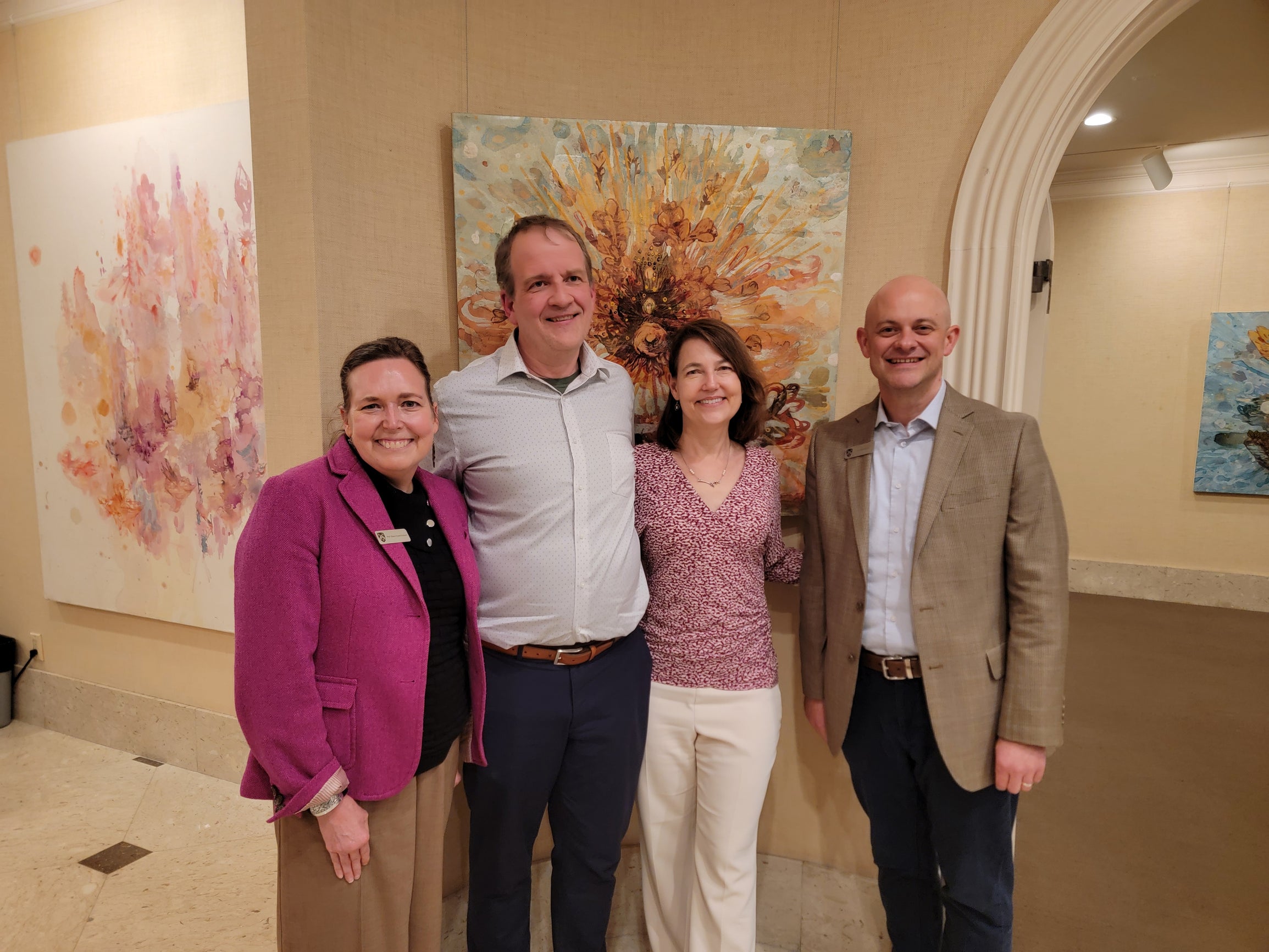
Religious leaders are often expected to care for others through life's most joyful and difficult moments while managing congregational responsibilities, navigating conflict, and leading communities through periods of profound social change. But who cares for the well-being of clergy?
In this conversation hosted by the Religion and Public Life Center at Rice University's Boniuk Institute, leading researchers Rae Jean Proeschold-Bell and David Eagle share insights from nearly two decades of research on clergy health, mental well-being, and ministry. Drawing on longitudinal studies and clinical interventions developed through Duke University's Clergy Health Initiative, they examine the unique pressures facing pastors and other religious leaders—from increasing political polarization and declining religious participation to occupational stress, burnout, and the emotional demands of ministry.
The discussion also highlights encouraging findings about practices that promote resilience. Proeschold-Bell and Eagle explain how evidence-based approaches such as mindfulness, the Daily Examen prayer practice, healthy sleep habits, and supportive relationships can improve mental health, reduce stress, and strengthen long-term flourishing among clergy. Their research demonstrates that caring for religious leaders is not simply a personal concern but an essential investment in the health of congregations and communities.
Whether you are a pastor, chaplain, faith leader, seminarian, researcher, or someone interested in religion and public life, this conversation offers practical insights grounded in rigorous scholarship. As religious communities continue to navigate rapid cultural and institutional change, understanding the challenges facing clergy—and the resources that help them thrive—has never been more important.
Email us at BoniukInstitute@rice.edu for your invitation to upcoming Religious & Civic Leader Gatherings!