
What happens when religion becomes less about belief and more about belonging?
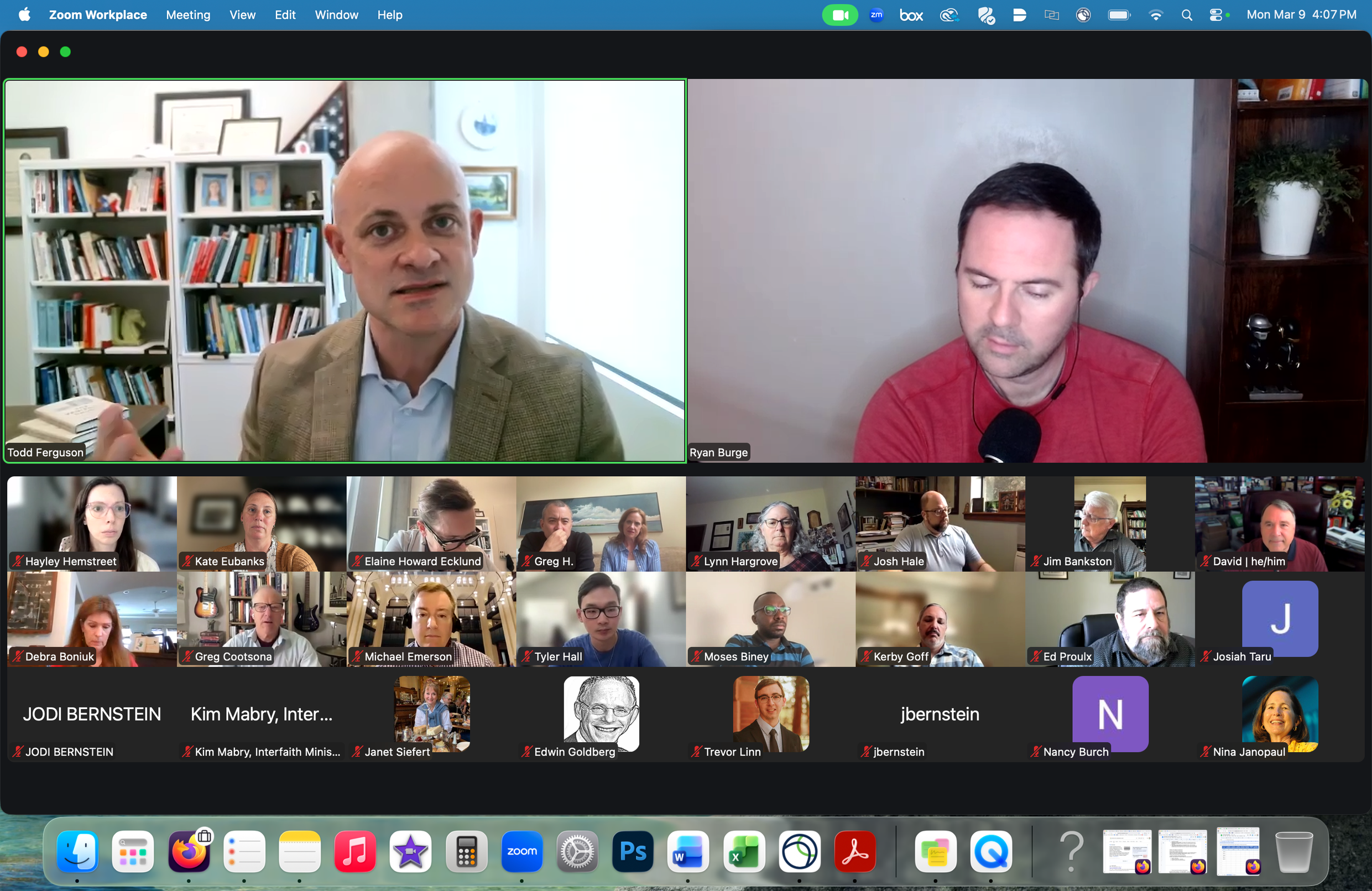
In this conversation, political scientist and data analyst Ryan Burge examines a growing shift in American religious life: for many people, religious identity is increasingly shaped by politics rather than theology. Drawing on decades of survey data and findings from his latest research, Burge explores how partisan identity is influencing religious affiliation, why moderate congregations are disappearing, and what these trends mean for democracy, civic life, and the future of American religion.
Burge's research challenges a common assumption that people choose political parties based on their religious convictions. Instead, he argues that many Americans are choosing—or interpreting—their religious identities through the lens of their political identities. The result is a form of religion that can function as a marker of tribal belonging, reinforcing social and political boundaries rather than fostering engagement across difference.
This Religious and Civic Leader Gathering invites viewers to consider how identity, faith, and politics intersect in today's polarized society. Whether you're interested in religion, sociology, political science, or public life, this discussion offers valuable insights into one of the most significant transformations shaping American culture.
Watch the full presentation below to learn why religion may be becoming the "passenger" while politics takes the driver's seat—and what that shift could mean for communities seeking to bridge divides and build a healthier public square.
Email us at BoniukInstitute@rice.edu for your invitation to upcoming Religious & Civic Leader Gatherings!